Two cars can drive the same number of miles and still need oil service on different schedules. Engine design, turbocharging, oil capacity, operating temperature, driving habits, and even how often the vehicle makes short trips all change how hard the oil has to work.
That is why we do not like giving every driver one generic mileage number. Some engines are very easy on oil. Others run hotter, hold less oil, or use systems that depend heavily on clean oil pressure. The right interval comes from the engine itself and the way the vehicle is actually driven.
Turbocharged Engines Work the Oil Harder
A turbocharger spins extremely fast and sits next to very hot exhaust components. Engine oil flows through the turbo to lubricate its bearings and help carry heat away.
That extra heat can age oil faster, especially when the engine spends a lot of time under boost. A turbocharged vehicle used for towing, mountain driving, or frequent hard acceleration puts more stress on the oil than the same engine cruising gently on the highway.
At our shop, turbocharged engines get extra attention when the service history is unclear. Oil that stays in too long can leave deposits in the turbo oil passages and around other high-temperature parts.
Small Oil Capacities Leave Less Room for Contamination
Some engines simply do not hold very much oil. When the oil capacity is smaller, each quart has to handle a larger share of the heat and contamination produced by the engine.
That doesn't automatically mean the engine needs extremely short intervals, but it does give the oil less reserve. If the engine also consumes oil between services, the situation can worsen quickly.
A larger-capacity engine has more oil circulating through the system, which can help spread out heat and contaminants. This is one reason two engines with similar horsepower can still have very different maintenance schedules.
Short Trips Can Be Harder Than Long Highway Drives
A ten-minute drive to work sounds easy on the car, but repeated short trips can be tough on engine oil. The engine spends more time warming up and less time fully hot.
During cold operation, more moisture and fuel contamination can collect in the oil. A longer drive gives the engine enough time to heat the oil thoroughly and burn off more of that moisture.
Drivers who make repeated short trips, especially in colder weather, should pay attention to time as well as mileage. An engine that only travels 4,000 miles in a year can still need an oil change because the oil has spent that year dealing with repeated cold starts and short run times.
High Heat and Heavy Loads Shorten Oil Life
Engines used for towing, hauling, long uphill pulls, or extended idling generate more heat. High temperatures speed up oxidation and reduce how long the oil can maintain its original properties.
Conditions that work engine oil harder include:
- Frequent towing
- Heavy cargo
- Long periods of idling
- Stop-and-go traffic
- Mountain driving
- Very hot weather
- Repeated hard acceleration
When a manufacturer lists a severe-service schedule, these are the kinds of conditions we look at. The severe interval isn't for every driver, but it makes sense for vehicles that regularly operate under heavier loads.
Some Engines Depend More Heavily on Clean Oil
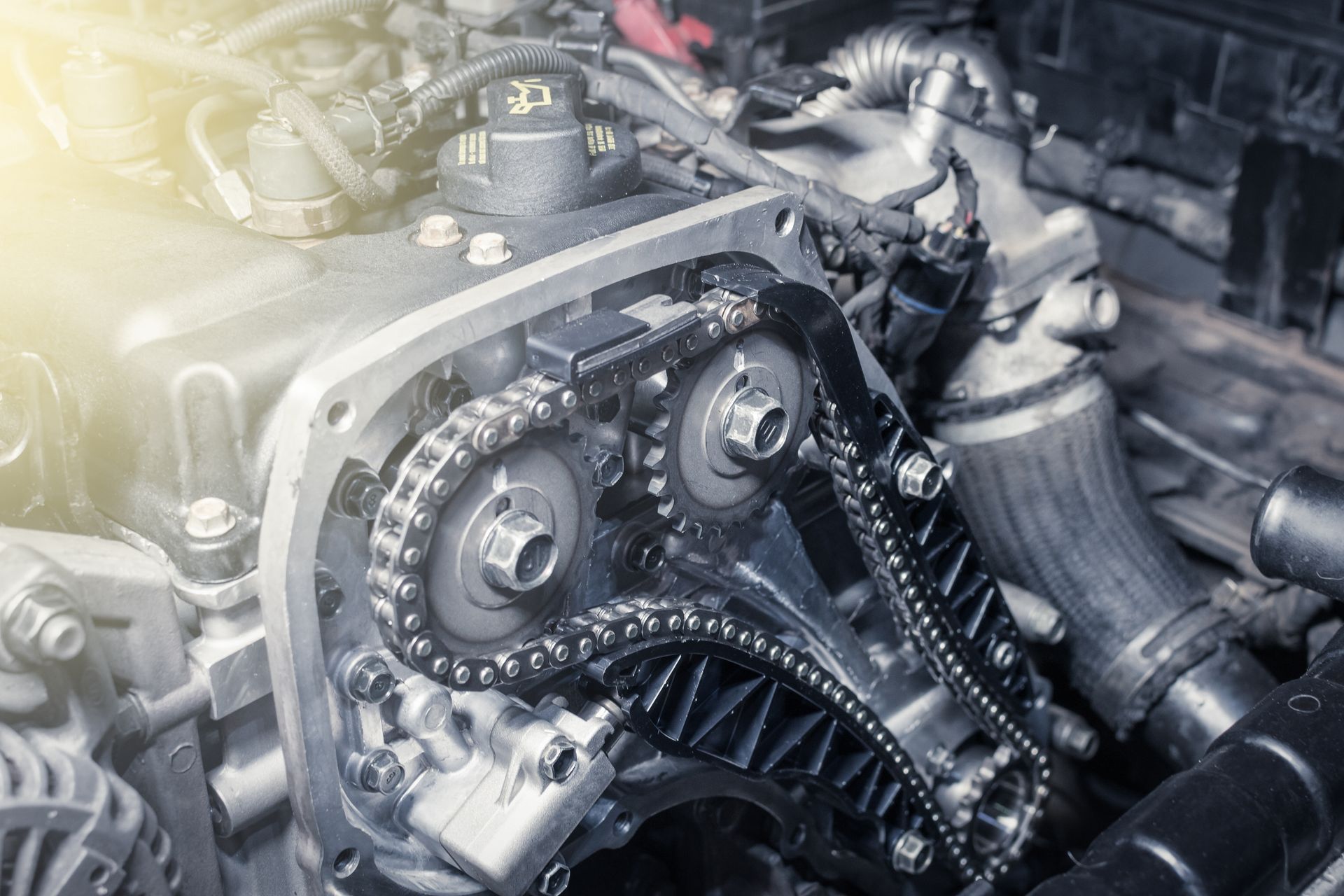
Modern engines often use oil pressure to control variable valve timing, timing-chain tensioners, hydraulic lifters, and cylinder-deactivation systems. Small passages direct oil to those components, and dirty or sludged oil can interfere with how they operate.
That is why certain engines react badly to neglected oil changes. You may hear startup rattling, see timing-related fault codes, or notice rough running when oil passages or control valves become restricted.
During an inspection, we review service history, oil level, engine noise, and any stored faults. Fresh oil can help prevent these problems, but once a component is physically worn or a passage is heavily restricted, an oil change alone will not undo the damage.
Oil Consumption Changes the Picture Too
Some engines use a measurable amount of oil between services, especially as mileage increases. If the driver never checks the level, the engine can spend part of the interval running a quart or more low.
Less oil means less capacity for heat control and lubrication. It also means the remaining oil has to work harder.
Regular maintenance should include checking the level between changes when the engine is known to consume oil. If the level drops repeatedly, we also want to know whether the engine is burning oil or leaking it externally.
Follow the Engine, Not a Universal Number
No single oil-change interval fits every engine. Some modern vehicles can comfortably go longer on the correct synthetic oil, while others benefit from shorter service because of their design or workload.
We start with the factory schedule, then look at real driving conditions, oil consumption, turbocharging, mileage, and service history. That gives us a much more useful interval than simply telling every customer to change oil at the same mileage.
Get Engine Oil Service In Clackamas, OR, With Maynard's Auto Repair Service
If you are not sure how often your engine should have its oil changed, Maynard's Auto Repair Service in Clackamas, OR, can review the vehicle's requirements, driving conditions, oil use, and service history.
Schedule an oil service and keep the interval matched to the engine you actually drive.