Car filters don't get much attention until something starts acting up. The engine feels weak, the A/C airflow drops, the oil looks dirty, or fuel economy slips a little. By then, a filter that was supposed to quietly protect the vehicle may already be overdue.
Filters are simple parts, but they protect expensive systems. They keep dirt, debris, metal particles, pollen, and other contaminants from reaching areas where they can cause wear or poor performance. Knowing which filters matter can help you understand why regular maintenance is more than just oil changes.
1. Engine Air Filter
The engine air filter keeps dirt, dust, leaves, and road debris out of the intake system. Your engine needs air to burn fuel, but that air has to be clean. If grit gets past the filter, it can affect sensors, throttle parts, and internal engine wear over time.
A clogged engine air filter can also restrict airflow. The car may feel less responsive, use more fuel, or struggle to accelerate. In dusty areas, heavy traffic, construction zones, or rural roads, the filter can get dirty faster than expected.
A quick look can usually show whether the filter is packed with dirt, darkened, or full of debris. The right replacement filter matters too. A poorly fitting filter can allow unfiltered air to leak around the edges, defeating the whole point of replacing it.
2. Oil Filter
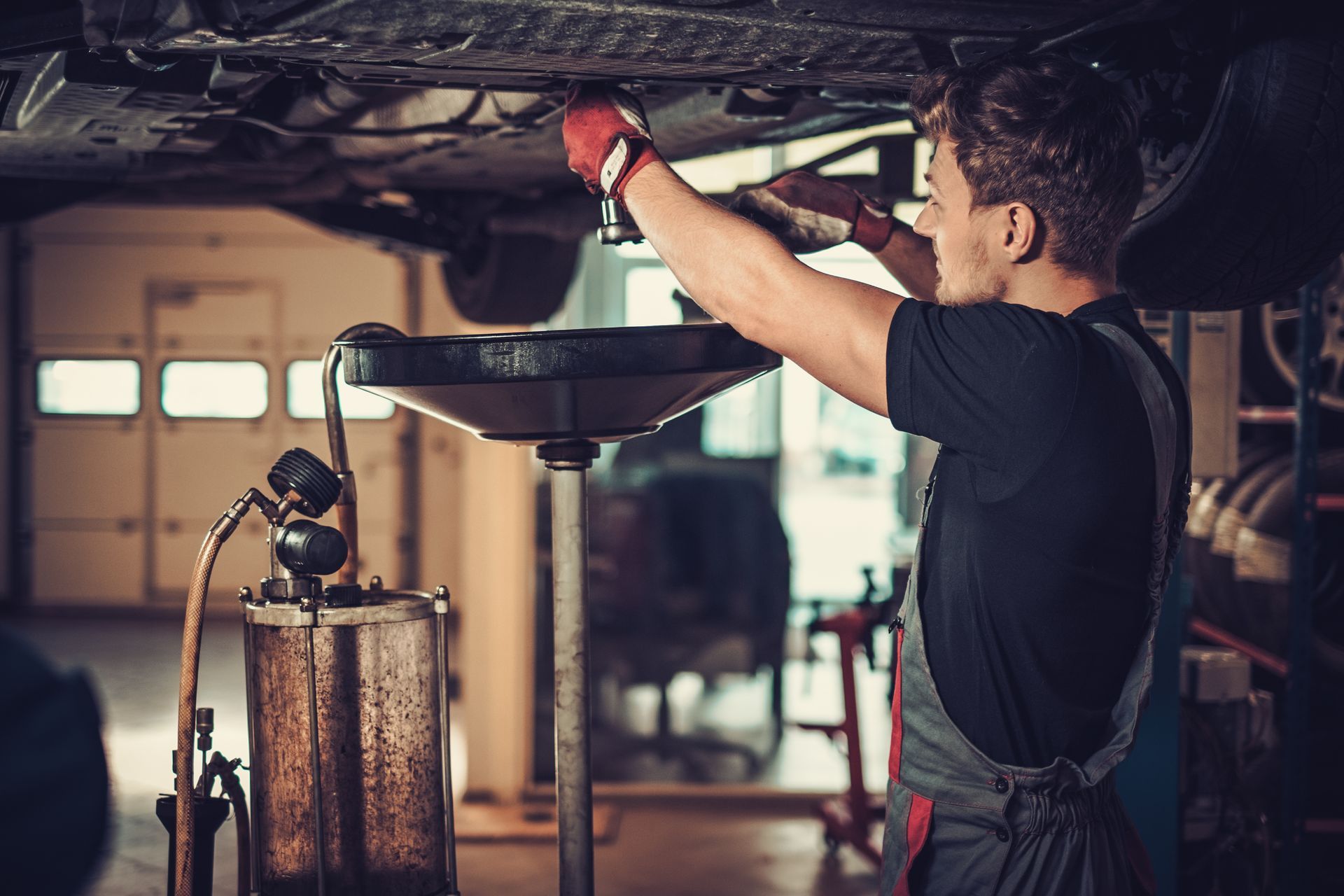
The oil filter catches contamination as engine oil circulates. Oil picks up tiny metal particles, dirt, and combustion byproducts while it lubricates and cools moving parts. The filter helps keep those particles from cycling through the engine again and again.
This is why the oil filter should be changed with the oil. Fresh oil running through an old filter is not doing the engine any favors. If the filter becomes restricted, oil flow can be reduced, or it may bypass under certain conditions, allowing dirty oil to keep circulating.
A quality oil filter is important because the engine depends on a steady oil flow. Bearings, camshafts, timing components, pistons, and turbochargers on equipped vehicles all rely on oil protection. A proper oil and filter service is one of the simplest ways to help protect engine life.
3. Cabin Air Filter
The cabin air filter cleans the air that comes through the vents. It catches pollen, dust, leaves, and other small debris before they enter the cabin. Many drivers forget about this filter because it does not affect how the engine runs.
You may notice it when the A/C or heat feels weak. The fan may sound loud, but the airflow from the vents feels low. A clogged cabin air filter can also create musty smells, more dust inside the vehicle, or windows that fog more easily.
In Oregon, rain and damp weather can make cabin airflow a big factor in comfort. If the windshield takes longer to clear or the vents smell stale when the fan turns on, the cabin filter should be checked during your next inspection.
4. Fuel Filter
The fuel filter protects the fuel system from dirt and contamination. Some vehicles have a serviceable fuel filter that needs replacement at certain intervals. Others have filters built into the fuel pump assembly or designed differently, so the service approach depends on the vehicle.
When a fuel filter becomes restricted, the engine may not get enough fuel under load. The car may start hard, hesitate, lose power uphill, or feel weak during acceleration. It may idle fine because the engine needs less fuel at idle, then struggle when you ask for more power.
Fuel symptoms should be tested before parts are replaced. A weak fuel pump, dirty injectors, sensor issues, or ignition problems can feel similar. Still, the fuel filter is an important part to know about because restricted fuel flow can create drivability problems that feel bigger than they are.
5. Transmission Filter
Some automatic transmissions use a filter to catch debris in the transmission fluid. Transmission fluid handles lubrication, cooling, hydraulic pressure, and shifting. As parts wear, the filter helps prevent contamination from circulating through the system.
A clogged or neglected transmission filter can contribute to delayed shifts, slipping, harsh engagement, or overheating. Not every vehicle has the same transmission filter setup, so service needs to follow the correct procedure for that model.
Transmission service should never be treated casually. The correct fluid, level, temperature, and process all matter. If the vehicle is shifting strangely, the filter may be part of the conversation, but fluid condition, leaks, codes, and transmission behavior should all be checked together.
Signs A Filter May Be Overdue
Filter problems can show up in different ways, depending on which system is affected. A few signs are worth noticing:
Musty smell from the vents
Poor fuel economy
Hard starts
Hesitation during acceleration
Dirty or dark engine oil
Rough idle
Delayed or harsh shifting
These symptoms do not all point to one filter. They simply mean the vehicle needs a closer look before a small service item is ignored for too long.
Get Car Filter Replacement In Clackamas, OR, With Maynard's Auto Repair Service
If your vehicle is due for engine air filter, oil filter, cabin air filter, fuel filter, or transmission filter service, Maynard's Auto Repair Service in Clackamas, OR, can check the right parts and explain what needs attention.
For car filter replacement and practical maintenance advice, contact us to schedule an appointment.