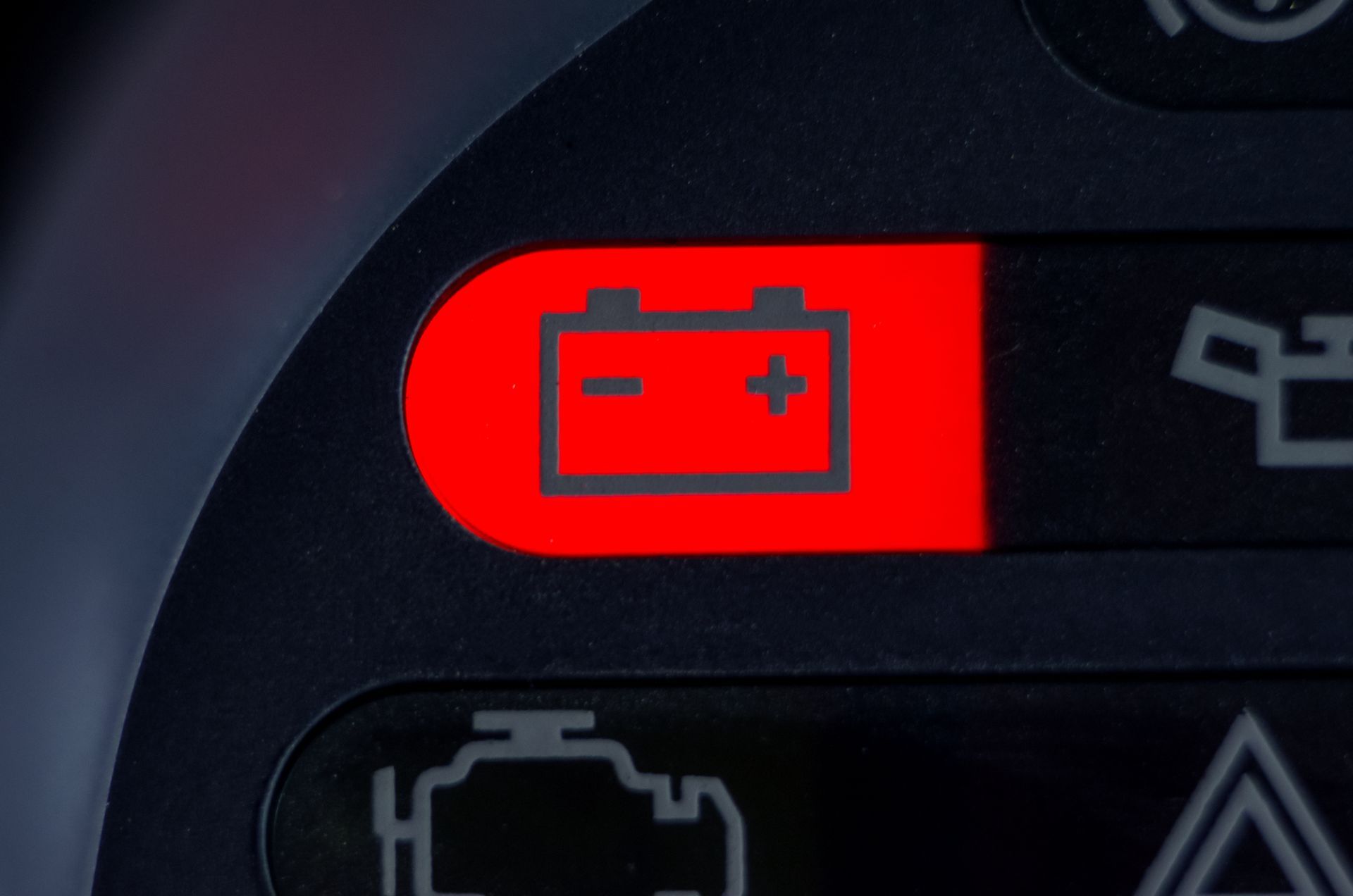
A brake-pad warning appears even though the car stops normally and there is no grinding. On a vehicle fitted with electronic wear monitoring, that warning may be the first sign the pads have reached the point the manufacturer wants checked.
The sensor isn't looking at every brake surface like a technician can. It responds to wear at specific locations, based on the vehicle's design. Understanding that limitation explains why regular brake measurements are still needed even when the dashboard stays quiet.
A Brake Pad Wear Sensor Monitors a Wear Point
Many electronic sensors use a contact or conductive element positioned in or against a brake pad. As friction material wears away, that element eventually reaches the rotor. Contact or wear changes the electrical condition, and the vehicle displays a warning.
The exact circuit differs. Some arrangements complete a circuit through contact, while others detect an interrupted loop as the element wears. The goal is to detect when the monitored pad reaches a defined point. It isn't necessarily a continuous measurement of every fraction of an inch remaining in all the pads.
Mechanical Wear Indicators Make a Sound Instead
Some pads use a small metal indicator that touches the rotor as the friction material wears. The contact creates a squeal intended to alert the driver. That indicator is mechanical and doesn't need a dashboard connection to do its job.
Brake squealing has other causes, so the sound still needs checking. Hardware, pad surface condition, rotor issues, and contamination can also create noise. A technician measures the pads and inspects the brake rather than assuming every squeal is the designed wear tab or every quiet brake has plenty of material left.
One Sensor Doesn't Describe Every Brake Pad
Vehicles place sensors according to their design, sometimes monitoring selected pads rather than every pad individually. Uneven wear may affect a different pad first. A sticking caliper slide or piston can wear an inner pad faster while the outer pad and its visible edge still look reasonable.
That is why a brake check includes all the pads on the axle, rotor condition, and caliper movement. A sensor warning helps time the visit, but the repair scope comes from the full inspection. Waiting for a warning light isn't a reliable way to monitor brakes on a vehicle with uneven pad wear.
Brake Wear Estimates Add Information From Driving
Some vehicles combine sensor information with calculated service estimates based on use. The displayed distance is an estimate, not a guarantee that every pad will remain serviceable for that exact mileage. Driving pattern and uneven mechanical wear can change the condition between checks.
If the display changes sharply or seems inconsistent with recent service, bring the invoice and explain the timing. The inspection should confirm actual pad condition before resetting a reminder. Teaching the car that service was completed doesn't add friction material to a pad that wasn't replaced.
A Damaged Sensor Wire Can Also Trigger a Warning
The sensor lead runs close to the wheel and brake, where heat, movement, and road debris affect its routing. A broken wire, loose connection, corroded terminal, or damaged sensor can produce a warning even when the monitored pad hasn't reached its wear point.
Testing follows the circuit and physical condition. Look at the pads, inspect the lead and connectors, then confirm the expected electrical behavior. Bypassing a sensor to extinguish a warning leaves the driver without the function and doesn't answer why it came on.
Brake Pad Replacement May Include New Sensors
Some sensors are consumed when they contact the rotor; others have replacement requirements tied to brake service. The vehicle and part instructions determine what should be renewed. A used sensor isn't automatically reusable just because it can be clipped into a new pad.
The completed job should include:
- Pad measurements and wear-pattern checks
- Rotor inspection and measurements
- Caliper and slide operation
- Sensor and wire condition
- Correct routing away from moving or hot parts
- Any required service reset and warning check
A replacement sensor won't correct a dragging brake. If abnormal wear caused the warning, that cause needs repair so the new pads don't disappear at the same rate. The estimate should connect those findings with each recommended part.
Brake Symptoms Still Take Priority Over the Sensor Display
Heavy grinding, reduced braking, a soft pedal, or a strong hot smell needs prompt review. Stop safely and arrange transport when braking is unpredictable. A pad warning and a hydraulic brake warning can mean different things, so read the exact message and describe how the car feels when calling.
Get Brake Pad and Sensor Service in Clackamas, OR, With Maynard's Auto Repair Service
Maynard's Auto Repair Service in Clackamas, OR, can check a brake-pad warning and inspect pad wear, sensors, rotors, and caliper operation.
Contact us to schedule brake service and warning-light testing.